
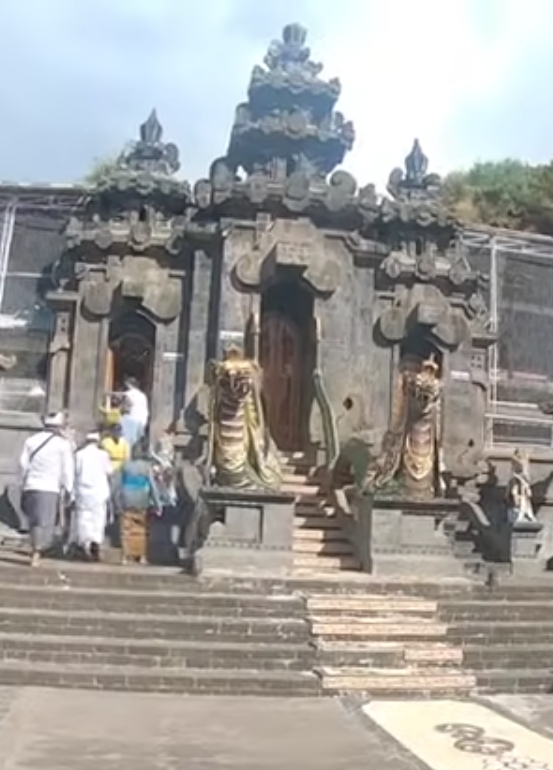
🕉️ Pura Pulaki: A Sanctuary on Bali’s Northern Coast
Pulaki Temple, or Pura Pulaki, is one of Bali’s significant and historically profound temples, located dramatically on the island’s scenic northwestern coast, west of Singaraja. More than just a place of worship, it is a key site in Balinese spiritual history, offering visitors a unique blend of cultural heritage and natural beauty.
Historical and Spiritual Significance
Pura Pulaki holds the status of a Pura Kahyangan Jagat, or one of the nine directional temples that protect the island of Bali from negative spiritual forces. Its origins are deeply intertwined with the journey of Dang Hyang Nirartha, a revered 16th-century Hindu priest from the Majapahit Kingdom who is credited with introducing and reinforcing much of the current structure of Balinese Hinduism.
- The Legend of Dang Hyang Nirartha: According to local lore, Dang Hyang Nirartha arrived at this location during his travels across Bali. The site’s powerful spiritual energy prompted his meditation, and it is here that he achieved his highest spiritual state (moksha). It is believed that the priest’s escort, composed of common villagers, underwent a spiritual transformation during this event, changing their forms into the monkeys that inhabit the area today.
- The Local Community: The temple is the spiritual centre for the local community, which is known for its strong adherence to traditional Balinese customs.
Architectural Highlights and Layout
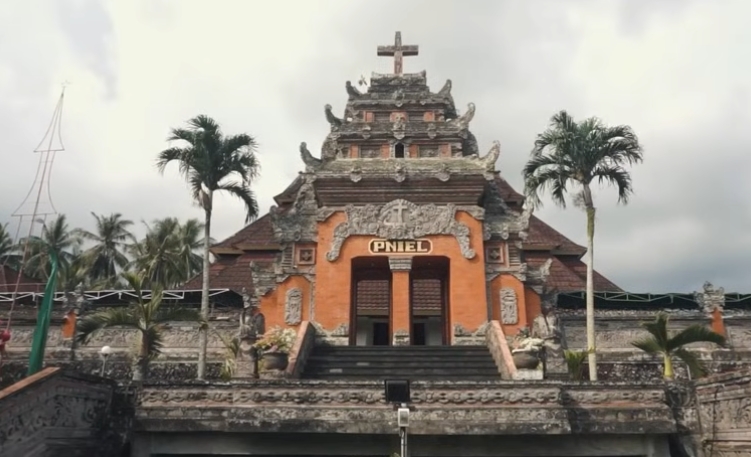
The temple’s architecture is classic Balinese, characterized by black lava stone and intricate carvings, but its layout is distinguished by its stunning location.
- Location: Pura Pulaki is uniquely situated, nestled directly against a steep, lush cliffside and facing the sparkling waters of the Bali Sea. This juxtaposition of mountain and ocean is highly symbolic in Balinese cosmology, representing the Kaja (mountain, sacred) and Kelod (sea, purifying) balance.
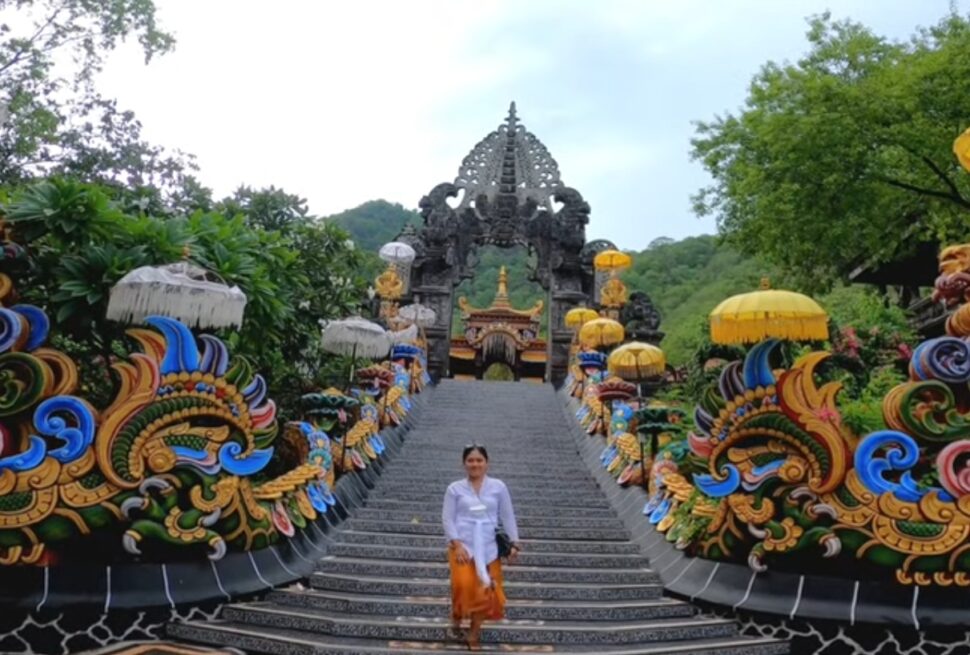
- Terraced Design: The temple is organized into several courtyards (mandalas), ascending the cliff face toward the most sacred inner sanctum (jeroan), reflecting the spiritual journey.
- Complementary Temples: The main Pura Pulaki is part of a complex that includes other significant shrines in the vicinity:
- Pura Melanting: The temple dedicated to Dewi Melanting, the goddess of trade and prosperity, is often visited by local merchants.
- Pura Pesanakan: A smaller temple related to the main shrine.
The Sacred Guardians: The Monkeys
The temple is famously and unforgettably guarded by hundreds of macaques. These playful and sometimes mischievous monkeys are not merely wildlife but are considered sacred guardians (saru) and the spiritual descendants of Dang Hyang Nirartha’s original escort.
Traveler’s Note: Visitors should be mindful of the monkeys. It is customary to observe them from a distance, secure all loose belongings, and avoid carrying food visibly. Their presence, while charming, requires respect and caution.
Tips for Visitors
- Attire: As with all Balinese temples, visitors must wear appropriate attire, including a sarong and a sash around the waist. These are typically available for rental or borrowing at the entrance.
- Best Time to Visit: The temple is most atmospheric during sunset when the light catches the carved stone and the sounds of the ocean create a peaceful backdrop.
- The Drive: The journey to Pura Pulaki along the north coast road offers spectacular views, making the trip an enjoyable part of the experience.
Pura Pulaki offers a truly captivating experience—a place where history, legend, and the raw beauty of Bali’s coast converge. It is a must-visit for anyone seeking a deeper understanding of the island’s rich spiritual tapestry.